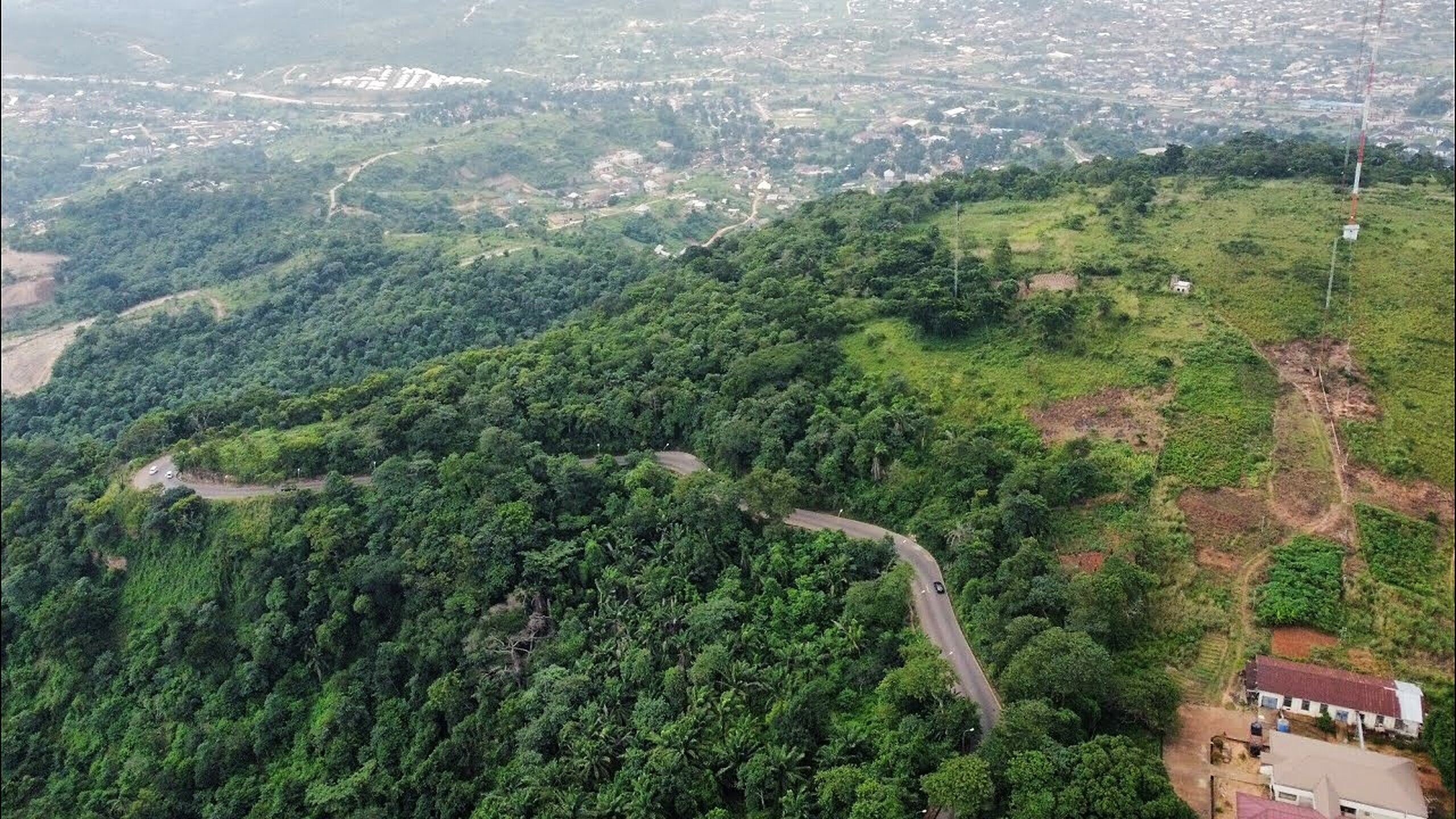
Milliken Hill (Ugwu Ngwo)
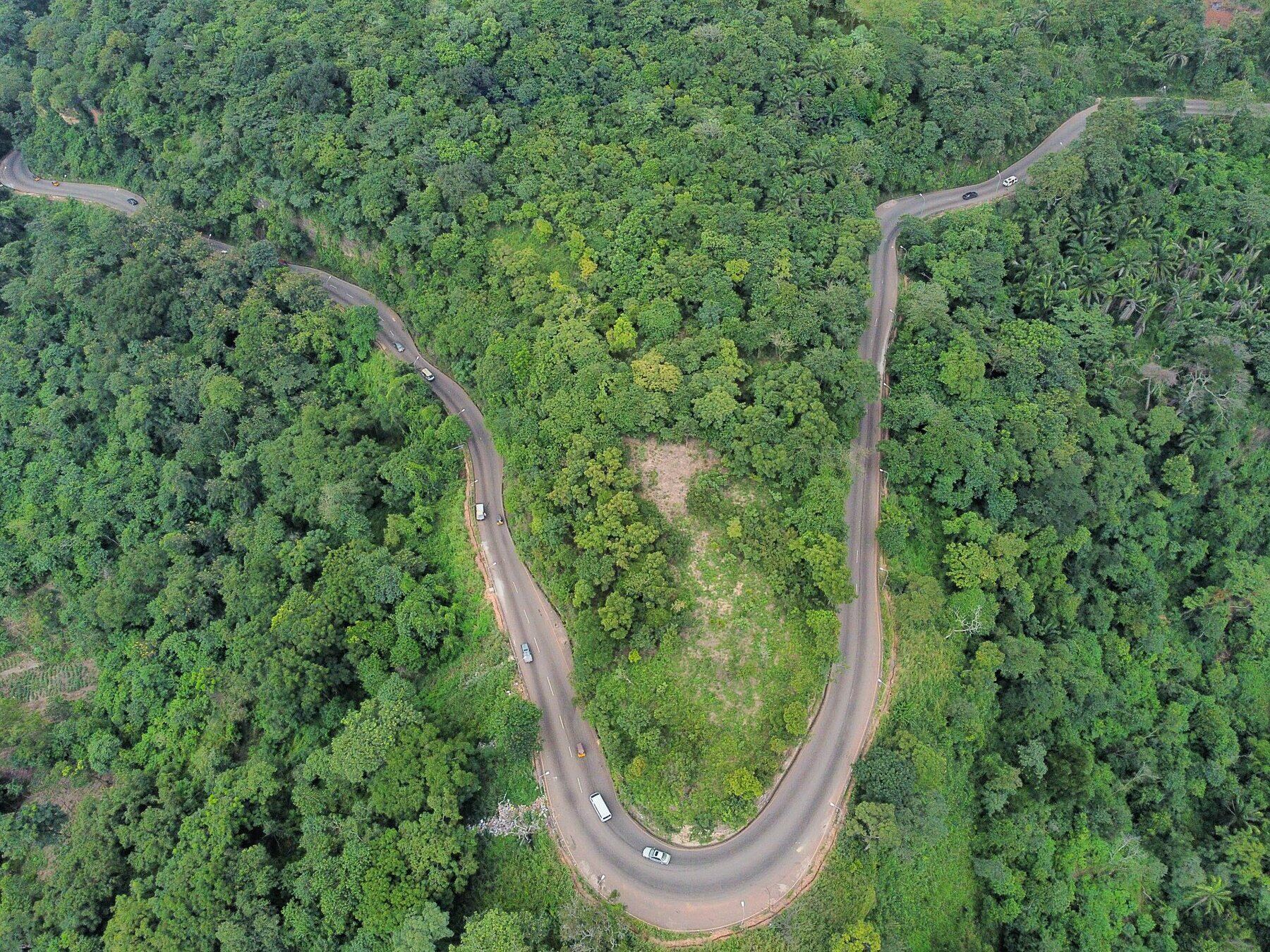
The famous winding road that climbs the escarpment, with sweeping views over the valley below.
Rooted in Ngwo, Rising in Canada
A home away from home for the sons, daughters and friends of Ngwo across Canada: connecting our families, supporting one another and keeping our heritage alive.
Wherever life has taken us, we remain one family from the hills of Ngwo.
Ngwo Iri Progressive Association brings together people from Ngwo's ten villages who now call Canada home. Iri means ten, and our name is our promise: ten villages, one people.
We gather to celebrate, to welcome newcomers, to stand with one another through life's joys and trials, and to support our people and projects back home. Above all, we pass on our language, our festivals and our values to the next generation.
Every son, daughter and friend of Ngwo in Canada is welcome. Together we rise.
Ngwo Iri Progressive Association, Canada brings together people from Ngwo's ten villages who now call Canada home. What began as friends gathering to keep our bonds alive has grown into a community that celebrates our heritage, stands with one another and supports development back home.
Placeholder: replace with the association's founding story, year and early members.
Build lasting relationships among Ngwo people across Canada, from new arrivals to families settled for generations.
Stand with one another in celebration and in hardship, with guidance, encouragement and practical help.
Help our people and projects in Ngwo through education, health and community development.
Keep our language, festivals and traditions alive, and share our culture with the world.
Every line of our emblem tells who we are and where we come from.
The winding road of Ugwu Ngwo, Milliken Hill, is the journey our people have travelled, from home to new lands, and the progress we keep making together.
The tall trees of the Ngwo Pine Forest: deeply rooted and always reaching upward, like our community.
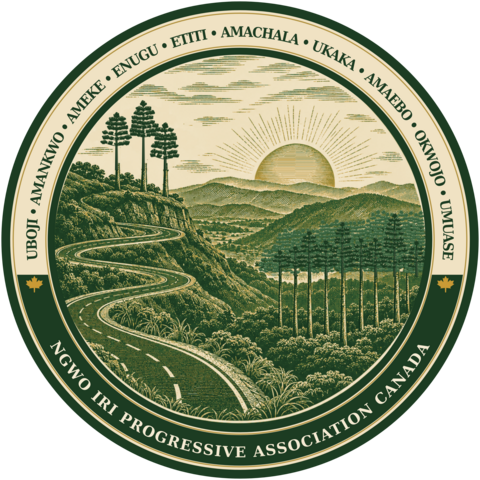
A new day over the hills: the bright future we are building here in Canada, for our families and the generations after us.
Uboji, Amankwo, Ameke, Enugu, Etiti, Amachala, Ukaka, Amaebo, Okwojo and Umuase, one unbroken circle. Iri means ten: ten villages, one people.
Placeholder names and photos: replace with the current executive committee.
Ngwo lies in the hills of Enugu State. Its ten villages, three of Ngwo-uno and seven of Ngwo-asaa, are the roots every member shares.
The famous winding road that climbs the escarpment, with sweeping views over the valley below.
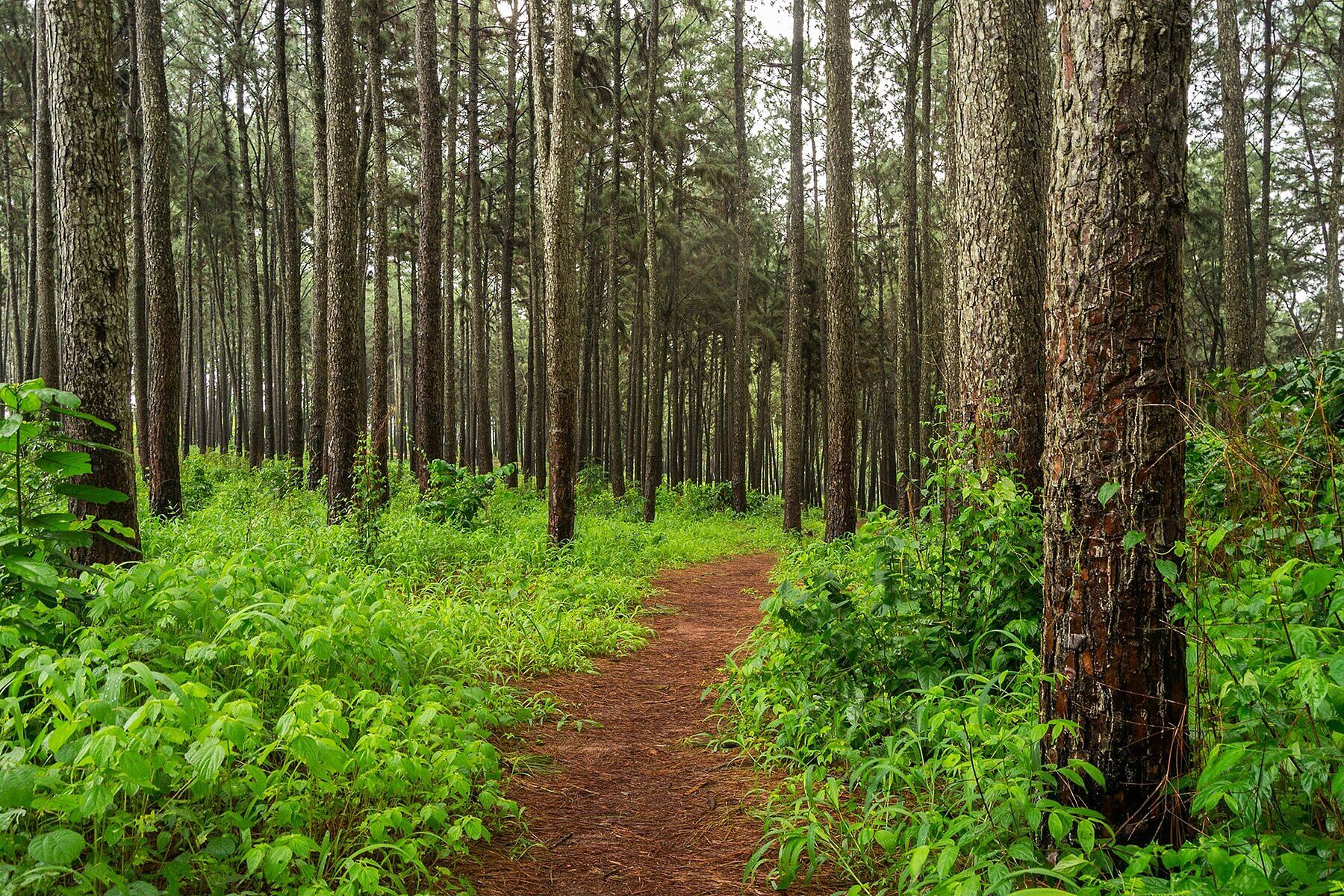
Tall pines shading a limestone cave and waterfall, a treasured place for visitors, pilgrims and families.
A celebrated masquerade festival held every two years, when Ngwo comes alive with music, colour and tradition.
Placeholder text: please have elders review and expand these histories.
Our history, faith, festivals and customs, gathered so that our children and grandchildren, wherever they are born, know where they come from. Choose a chapter.
Chapters marked "Awaiting elders" are outlines. Their content will come from our elders and members, so that it is accurate to Ngwo.
According to Ngwo tradition, the town's ten villages descend from the ten sons of its founder. The first three settled at the place now called Ngwo-uno: Uboji, Amankwo and Ameke. The other seven settled at Ngwo-asaa: Enugu, Etiti, Amachala, Ukaka, Amaebo, Okwojo and Umuase. These are the two great branches of Ngwo to this day.
Ngwo is also unusual on the map: it is the only town in Nigeria that sits across three local government areas, Udi, Enugu North and Enugu South.
Enugu's own name comes from Ngwo. In 1908 a British expedition travelling from Awka sighted the hill at Enugwu-Ngwo. After coal was discovered, the colonial administration settled on the hilltop, still called Hilltop, and built the 4.8 km Milliken Hill road, named after its chief engineer, to reach the new mines.
The settlement gained township status in 1917 under the name Enugwu-Ngwo, and was renamed Enugu in 1928 as the city grew onto neighbouring communities' land. Beneath the hill lie the old mines of Iva Valley and Onyeama. Enugu State has since sought UNESCO heritage status for Milliken Hill and Iva Valley.
The Odo festival is one of Ngwo's best-known celebrations, a masquerade festival held every two years in Amaeke Ngwo and celebrated over a period of months, when the community comes alive with music, colour and tradition.
This chapter will tell how faith in Ngwo has changed: the traditional religion of our ancestors, the arrival of British missionaries, and the growth of Christianity in our villages.
Titles mark honour, responsibility and standing in the community. This chapter will record the Ozo and Okpoto rites as they are practised in Ngwo.
Age grades bind people of the same generation together in service to the community. This chapter will explain how they work in Ngwo.
From a child's first days to a person's final journey, Ngwo has its own customs. This chapter will record the practices unique to our town.
Ngwo has produced notable sons and daughters in public life, among them Chief C. C. Onoh, former Governor of old Anambra State. Today Ngwo land hosts many of Enugu's institutions and markets, from New Market to 9th Mile Corner.
A living archive of stories, recordings and photographs from the people who remember. Every member can contribute: record an elder's story, share an old photograph, or write down a song.
Meetings, celebrations and family days throughout the year.
Sample events: replace with real dates and venues.
Together, members support projects that make a real difference in Ngwo.
Sample projects and figures: replace with the association's real projects.
Contributions go directly to the projects you choose.
Photo spaces: add the association's own photos here.
Membership is open to everyone from Ngwo, and their families, living in Canada.
The constitution sets out who we are, how we are governed and how we care for one another. It is shared here so every member can read it.
Placeholder: the full text of the adopted constitution will be published here, along with a PDF download.
The name of the association, its registered status, logo and official address.
Text to be added from the adopted constitution.
The purposes for which the association exists.
Text to be added from the adopted constitution.
Who may become a member, how to join, and members' rights and responsibilities.
Text to be added from the adopted constitution.
Annual dues, special levies and how payments are made.
Text to be added from the adopted constitution.
Officers of the association, their duties and terms of office.
Text to be added from the adopted constitution.
General meetings, executive meetings, quorum and notice.
Text to be added from the adopted constitution.
How officers are nominated and elected.
Text to be added from the adopted constitution.
Bank accounts, signatories, records and annual audit.
Text to be added from the adopted constitution.
How the association supports members in times of joy and need.
Text to be added from the adopted constitution.
Conduct, disputes and sanctions.
Text to be added from the adopted constitution.
How this constitution may be changed.
Text to be added from the adopted constitution.
What happens to the association's assets if it is dissolved.
Text to be added from the adopted constitution.